5 Reasons Clients Doubt a Mini Skid Steer (And How to Fix It)
5 Reasons Clients Doubt a Mini Skid Steer (And How to Fix It)
Table of Contents
You pull up to a project, and the property owner takes one look at your compact equipment. You can see the hesitation in their eyes. They might not speak up, but you know exactly what they are thinking: “Is that toy going to do the job?” This unspoken skepticism is real. It costs contractors bids, forces price drops, and hands easy jobs over to competitors with larger machinery. Understanding the exact reasons clients doubt a mini skid steer is the very first step to protecting your business.
More importantly, you need to know how to eliminate that hesitation before the project even begins. This guide breaks down the five primary reasons clients doubt a mini skid steer and provides actionable, proven strategies to win their trust immediately. Watch how quickly the doubt disappears when you use these tactics on your next bid.
The Size-to-Power Illusion
Human psychology dictates that size equals strength. When a client sees a machine that is three feet shorter, two feet narrower, and weighs less than a standard pickup truck, they instantly question your capability. They wonder how a 2,500-pound machine is going to break concrete or move heavy earth. This size illusion is one of the biggest reasons clients doubt a mini skid steer.
The Fix: Change the narrative before you arrive at the property. During the bidding process, send the client photos and videos of your equipment successfully working on similar jobs. Frame the size as a strategic advantage rather than a cost-saving compromise. Explain that you use a compact unit to prevent massive property damage and access tight backyards efficiently. If you need examples of how to explain this, refer to this expert guide on navigating small construction sites.
⚠️ Pre-Framing the Conversation
Never tell a client you bought a smaller machine because it was “cheaper.” Instead, say: “I specifically chose this equipment to protect your driveway from cracking under heavy weight, and to fit through your 36-inch gate without tearing down your fence.” The client immediately stops seeing “small” and starts seeing “smart.”
The Perception of Slow Speed
Clients logically assume that a smaller bucket means fewer yards moved per hour. They watch your machine for five minutes, see that you take more passes to load a truck than a full-size unit would, and instantly panic about the timeline. They only focus on the speed of the bucket, completely ignoring the logistics of the job site.
The Fix: Provide a transparent time comparison before you break ground. Teach the client the math. For example, a full-size machine might move dirt faster, but it takes 45 minutes of manual hand-digging just to bypass a narrow 48-inch gate that the big machine can’t fit through. Your compact unit drives straight through that gate in two minutes. Show them that while your bucket is smaller, your overall project completion time is actually faster.
The Durability Question
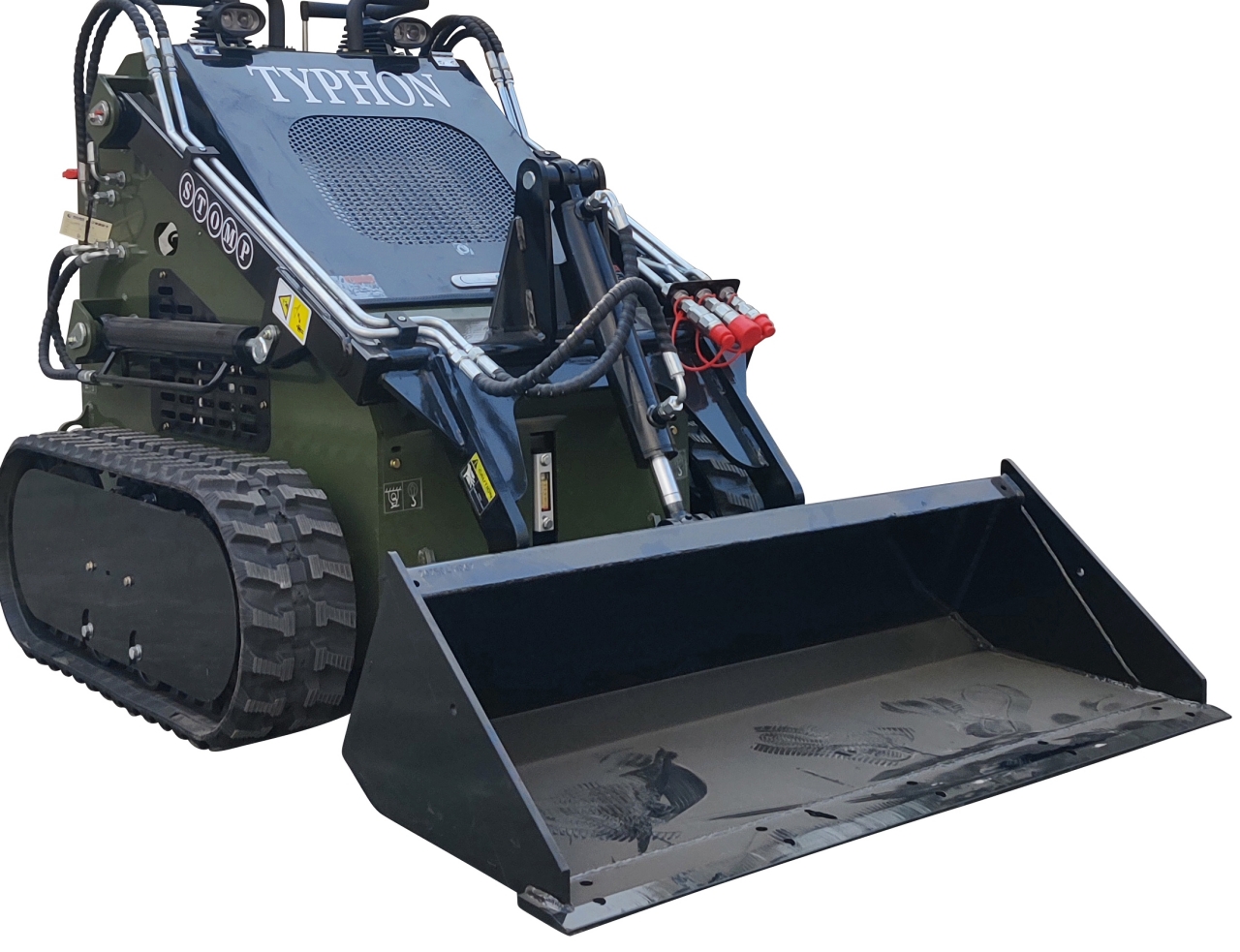
A major factor behind the reasons clients doubt a mini skid steer is their fear of breakdowns. Because the market has seen an influx of cheap, low-quality mini machines that leak oil and break down mid-job, clients project that bad reputation onto you. They imagine you abandoning the site for repairs and dragging the project out for extra days.
The Fix: Lead with your maintenance data. Bring a printed, one-page spec sheet to every bid. Highlight your machine’s heavy-duty track system, engine reliability, and zero-breakdown history. Better yet, offer a performance guarantee: Tell the client that if your machine fails to perform and delays the job, you will cover the cost of a full-size rental out of your own pocket. You will likely never have to use this guarantee, but simply offering it destroys the client’s fear instantly.
The Operator Skill Assumption
Unfortunately, many homeowners associate compact equipment with amateur hour. They have seen landscaping companies hand the keys of a small loader to a summer helper who ends up tearing up sod and hitting retaining walls. They wrongly assume that highly skilled operators only sit inside enclosed, full-size cabs. This insulting assumption requires immediate correction.
The Fix: Establish your credentials before you turn the key. Talk about your hours logged on full-size equipment, and reiterate that you downsized for efficiency, not a lack of skill. Once the job starts, use the first five minutes to operate with absolute, flawless precision. Make deliberate movements, avoid aggressive spinning, and don’t spill material. Those first few minutes of smooth operation will permanently erase their doubts regarding your competence.
The Value and Pricing Dispute
This is where the doubt hurts your wallet the most. A full-size skid steer owner charges $150 per hour in many markets. When you submit a bid charging that same $150 per hour, the client balks. They look at your smaller machine, assume it burns less fuel and cost less to buy, and demand a discount. If you cave, you lose $30 to $50 per hour on every single job.
💰 Defending Your Hourly Rate
To combat this, build a “Value Comparison” sheet. List three things your machine does that a full-size machine cannot: 1) Fit through narrow backyard gates, 2) Work on sensitive surfaces without destroying the turf, and 3) Maneuver tightly between structures. Present this before quoting your rate. Your price is based on access and precision, not machine weight.
How to Implement These Fixes Tomorrow
Knowing the reasons clients doubt a mini skid steer is useless without action. Clients doubt you because they lack the proper context and information. Your job is to fill that knowledge gap before they ever have the chance to ask a skeptical question. Follow these steps on your next job:
✅ Your Anti-Doubt Action Plan
- Update Your Bids: Add a “Machine Advantages” section to your quotes highlighting gate access and turf protection.
- Carry Spec Sheets: Print 50 copies of your machine’s capabilities and hand them out during the walk-through.
- Offer a Guarantee: Verbally commit to finishing on time, or paying for a backup rental yourself.
- Show Video Proof: Send a 30-second clip of your equipment smoothly handling heavy loads alongside your bid.
Address their fears early, show your data, and operate like a pro. The client will happily pay your full rate.
Upgrade Your Fleet With Trusted Power
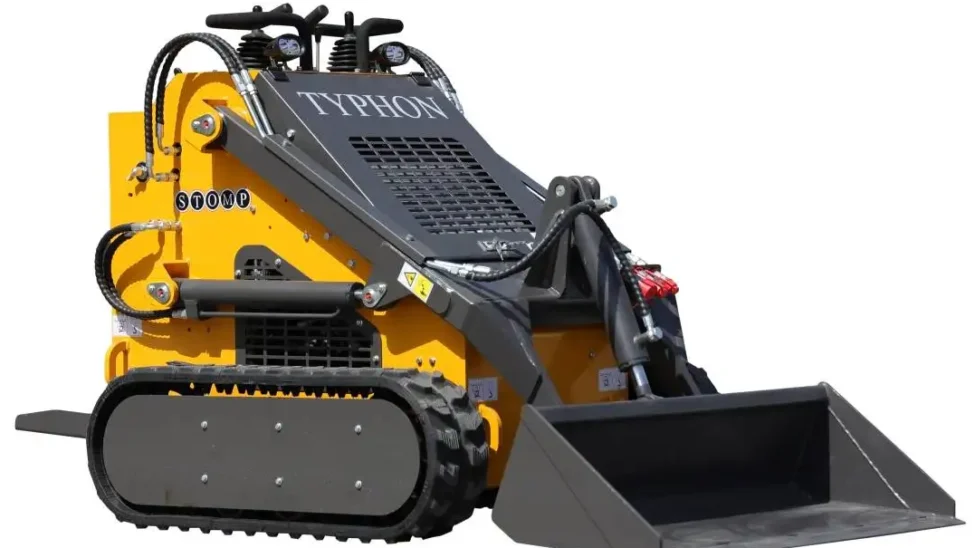
View the Brand New TYPHON STOMP Mini Skid SteerReasons Clients Doubt a Mini Skid Steer
Reasons Clients Doubt a Mini Skid Steer
Reasons Clients Doubt a Mini Skid Steer
Reasons Clients Doubt a Mini Skid Steer
Reasons Clients Doubt a Mini Skid Steer